

Selling Your Home in Holland, MI: A Builder-Raised Agent’s Guide
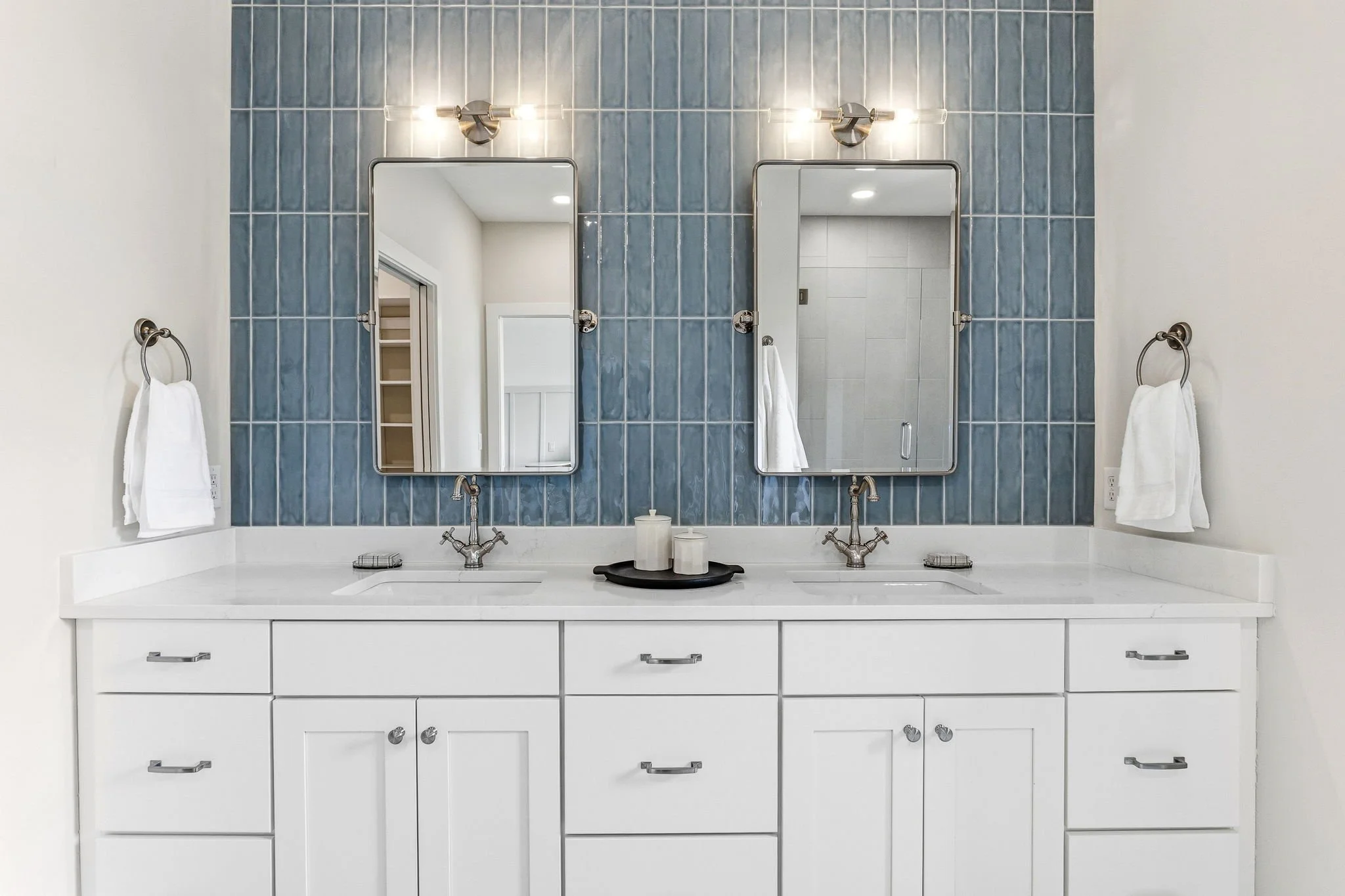
Selling in Holland right now comes down to three things: a price built from recent sales, a house an inspector can't pick apart, and a handful of smart updates that get buyers to pay more. That last part is where we spend most of our time with sellers. On one recent home, about $30,000 in updates helped it sell for $877,000, six months after it was bought for $740,000. That's $137,000 more.
We grew up on job sites and in a lumber yard, and we bring three sets of eyes to every home we sell:
A builder's eye for how the house was built, and what's worth fixing versus leaving alone.
An inspector's eye for what a buyer's inspector will flag, so it's handled before it costs you in negotiation.
A designer's and seller's eye for the updates that make buyers want your home and pay more for it.
Here's how we approach a sale in Holland and across the Lakeshore.
What Holland's market means for sellers right now
Ottawa County prices are still rising, but buyers have far more homes to choose from, and that changes how a home has to be sold. In September 2026, the county's median sale price rose 6.1% to $430,000, while active listings jumped 22% to 481 and closed sales fell 24% (WMLAR).
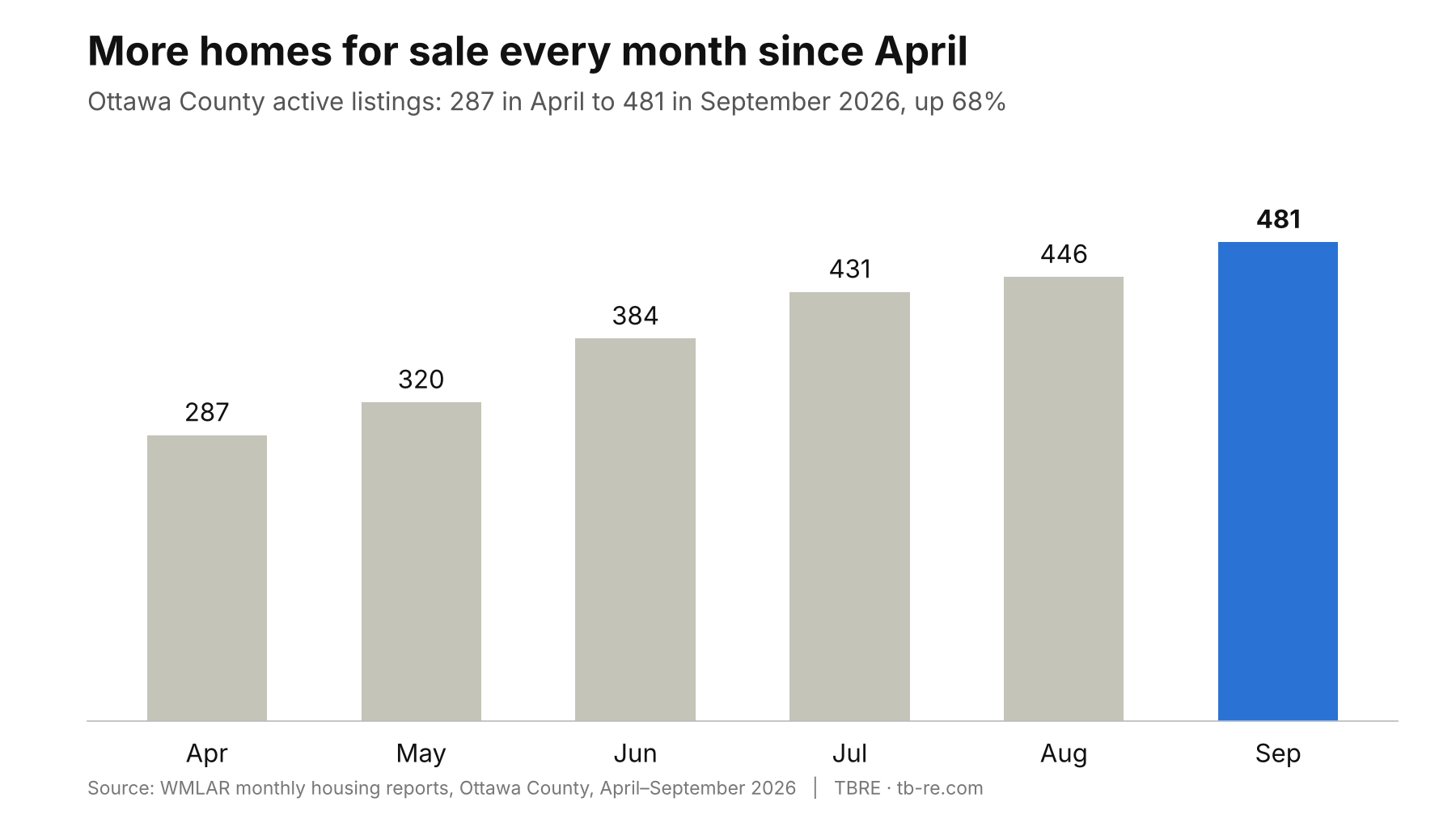
Inventory has grown every month since spring, which is why pricing and prep matter more now than they did a few months ago.
Homes averaged 30 days on the market. Freddie Mac's 30-year mortgage rate was 7.28% on October 1, up from 6.34% a year earlier, which squeezes what buyers can afford each month.
Put together, buyers aren't rushing anymore. They compare, they negotiate, and they walk away from homes that look overpriced or need work they didn't expect.
Pricing: start from the data, not the hope
The first two weeks on the market bring the most attention a listing will ever get, so the asking price has to be right on day one. A home that starts too high and then drops its price often sells for less than one that was priced right from the start.
We build a price from three things:
Recent comparable sales, ideally within the last 90 days and close by. In a market this property-specific, a sale two neighborhoods over can mislead.
The homes you're competing with today. Buyers are comparing your house to every active listing in their price range, not just to past sales.
Condition, seen through a builder's eye. Two homes with the same square footage can be worth very different amounts. Roof age, mechanicals, windows, foundation and the quality of past renovations all show up in the price.
Online estimates like Zillow's Zestimate are a starting point at best. They can't see whether a kitchen was remodeled well or poorly, and we can.
Prep through a builder's eye: small fixes that protect your price
Fix what an inspector will flag, then put a modest budget into the cosmetic updates buyers notice first. Buyers mentally subtract for every worn or dated detail they see, often more than the fix would cost. Fresh paint, updated fixtures and a clean, cared-for look protect your list price. Major remodels are where sellers lose money, not the inexpensive updates.
This is a big part of what we do with sellers: we walk the house, pick the handful of low-cost updates that will matter most to buyers in your price range, and skip the ones that won't.
Fix before listing
Water stains, active leaks, soft spots. Inspectors flag them, and buyers assume the worst about water.
Grading, gutters and downspouts. Water against the foundation is a common West Michigan inspection issue and an easy fix.
GFCI outlets, missing covers, smoke detectors. Cheap fixes that otherwise pad an inspection report.
Caulk, grout, loose trim, sticking doors. Small signs of neglect make buyers wonder what they can't see.
Furnace, water heater and roof: service and document; replace only if failing. Service records reassure buyers. A failing system becomes a credit request either way.
Refresh to protect your price
Paint in bold, worn or scuffed colors: repaint in light neutrals. One of the best uses of prep money; rooms look larger, cleaner and photograph well.
Dated light fixtures, faucets and cabinet hardware: update. Inexpensive swaps that make a whole room read as current.
Worn carpet or tired floors: replace carpet with a neutral; refinish or clean hardwood. Flooring is one of the first things buyers notice in photos and in person.
Dated kitchen or baths that work fine: refresh with new countertops, painted cabinets, new hardware, lighting and faucet. Makes the space look maintained for a fraction of a remodel, which rarely pays back.
Front door, entry and landscaping: paint the door, update house numbers and lighting, fresh mulch and trimmed beds. First impressions set the price buyers have in mind before they walk in.
Clutter and deep cleaning: declutter, deep clean, windows inside and out. Costs little and changes how every photo and showing feels.
Skip
Major additions or layout changes. Too slow and costly to recover in a sale.
Small upgrades that add more value than they cost
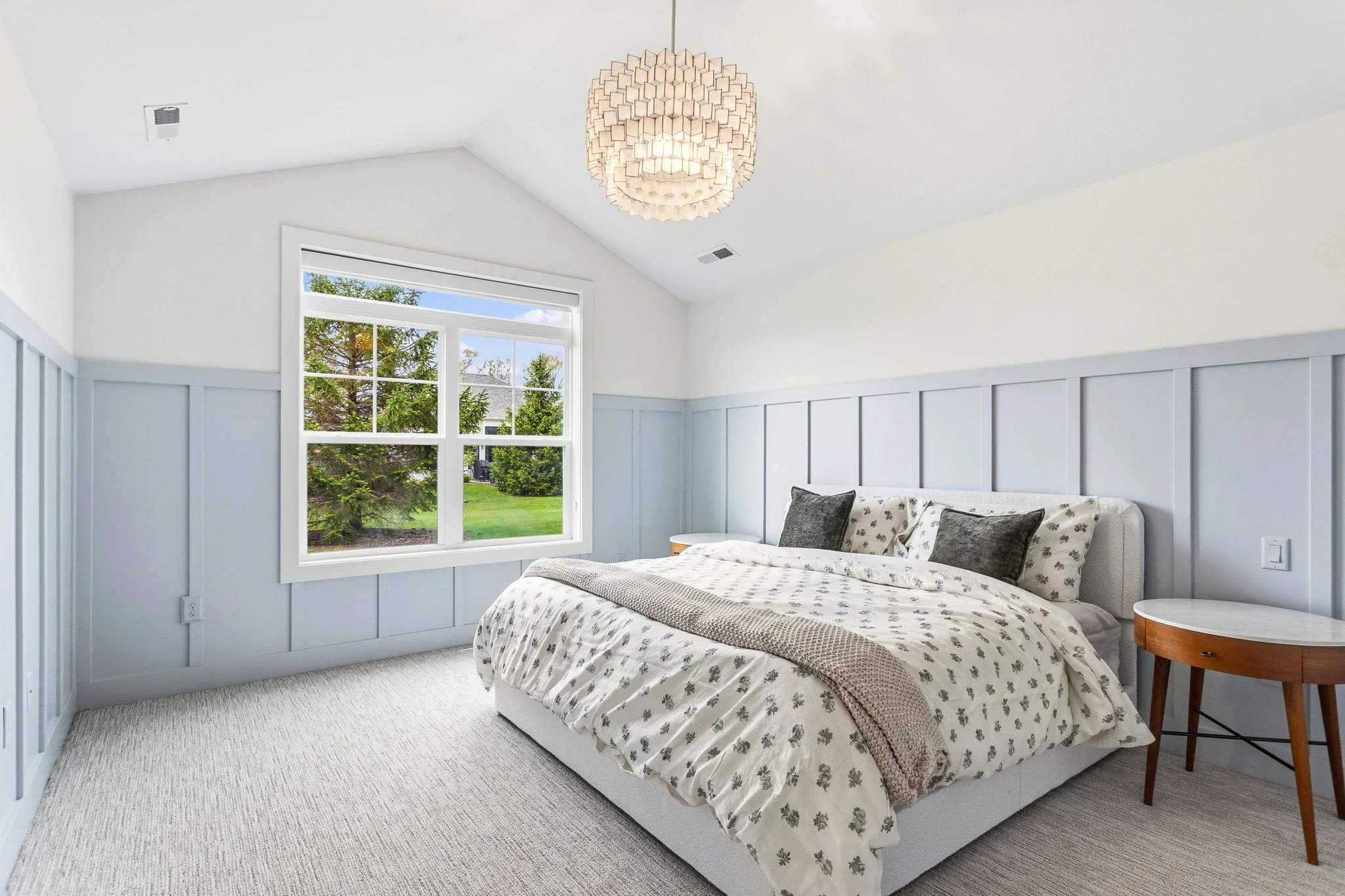
A few well-chosen upgrades can raise what buyers will pay by more than the upgrades cost. That's how about $30,000 of updates helped the home we mentioned above go from a $740,000 purchase to an $877,000 sale in six months. None of it was a remodel. It was the kind of finish work buyers notice in the first minute of a showing and the first few listing photos.
These are the upgrades we recommend most often:
Home office. A spare bedroom, den or bonus space set up as a defined office, with good lighting, enough outlets and a door where possible. Buyers want a place to work from home. A finished office shows them how the space works instead of asking them to imagine it.
Built-in nooks. A window seat, breakfast nook, mudroom bench with hooks, or a reading nook under the stairs. Turns an awkward or unused corner into a feature that stands out in photos.
Wall sconces and lighting. Sconces beside a bed, fireplace or vanity mirror, along a hallway, plus dimmer switches. Lighting changes how a room feels, photographs warmly and reads as custom work.
Coffee bar. A section of cabinets or counter with an outlet, open shelves and a backsplash. A small built-in that makes the kitchen or dining area feel finished and thoughtfully planned.
New countertops. Quartz or solid surface in place of laminate or worn tile, keeping the existing cabinets (painted if needed). The biggest visual change in a kitchen for a fraction of the cost of a remodel.
We plan these the way a builder would: what fits the house and your price range, what each one should cost, and how to get it done before photos.
Not sure which updates are worth it for your home? We'll walk it with you and give you a short, prioritized list with rough costs before you spend anything.
Marketing and showings
Many buyers decide whether to visit from the photos, so the listing has to win online first.
Professional photos, taken on a bright day after the prep is done.
A listing write-up that explains the build quality, not just the bedroom count. That's where our background helps sellers most: we can point out the roof, the windows or the framing details that justify the price.
A dedicated post on our blog and on Instagram for every TBRE listing, with more detail than the MLS allows.
Showing-ready basics: clear counters, open blinds, every light on, and the thermostat at a comfortable setting. In fall and winter, keep walks and steps clear.
Offers, concessions and closing
With rates above 7%, the best offer isn't always the highest price. Terms, financing strength and concessions all matter.
Compare offers on net proceeds, after any credits, repairs and closing costs, not just the headline number.
Consider a rate buydown instead of a price cut. A seller-paid buydown can lower a buyer's monthly payment more than a similar price reduction. Ask your lender or ours to run both scenarios.
Expect inspection requests, and decide ahead of time which items you'd fix, credit or decline. Pre-listing prep makes this step much shorter.
A typical financed sale takes roughly 30–45 days from accepted offer to closing. Your timeline depends on the buyer's lender and the terms you agree to.
Thinking about selling in Holland?
Are you looking to sell but worried your home isn't ready? Talk to us. We will build you a plan to get the most value for your home!
Liz Burton (616) 218-6402 lizburton@homelakeshore.com
Sean Terpstra (616) 886-9839 sean@homelakeshore.com